

tempered glass window price
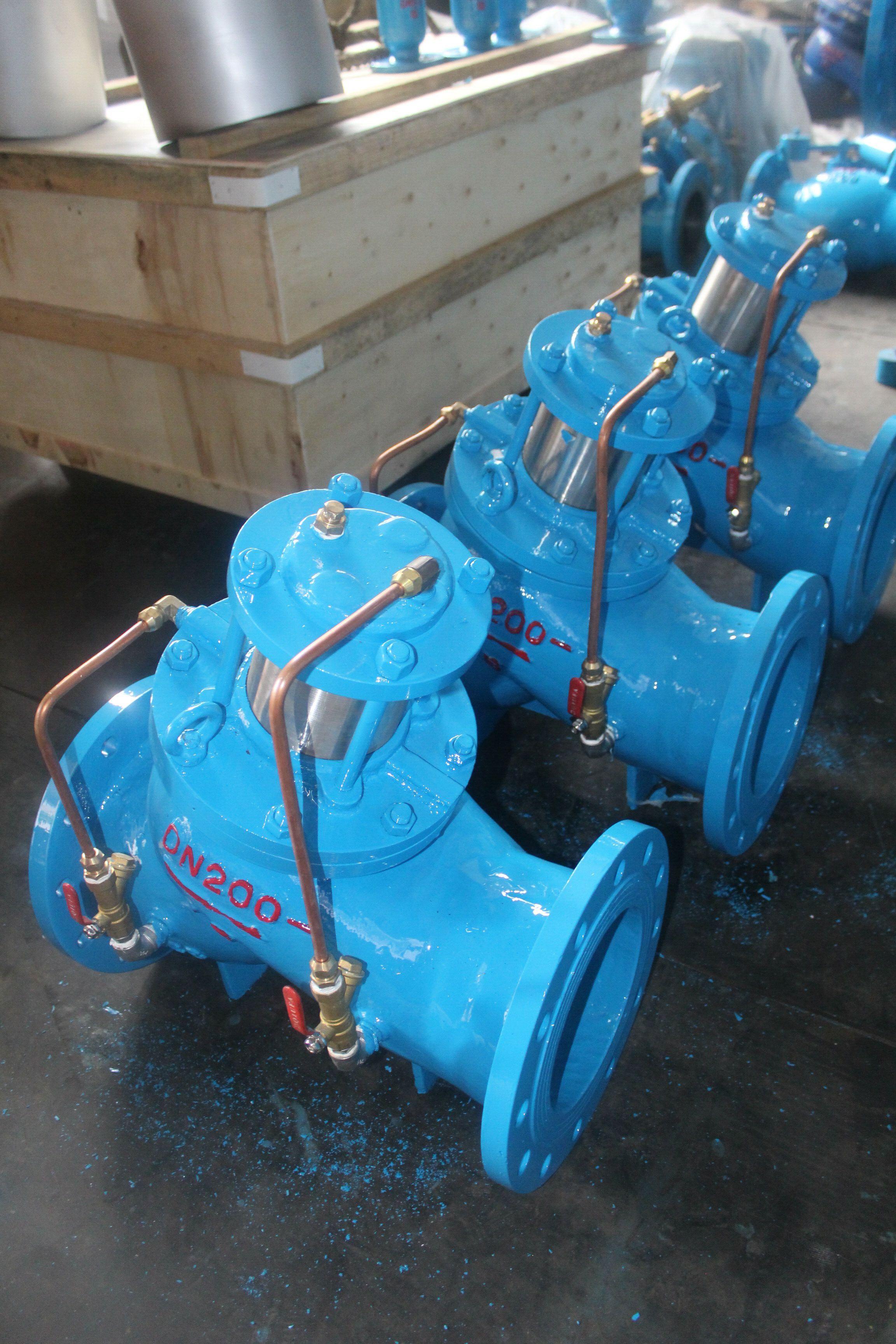
How to Close the Water Valve A Step-by-Step Guide Closing a water valve is a crucial skill for homeowners and renters alike. Whether you are tackling a plumbing issue, preparing for maintenance, or simply trying to conserve water, knowing how to properly shut off your water supply is essential. This article will guide you through the steps necessary to close a water valve safely and effectively. Why You Might Need to Close the Water Valve There are several scenarios in which you may need to close your water valve. Common reasons include 1. Plumbing Repairs If you are fixing a leaky faucet, changing out a toilet, or repairing pipes, it’s important to close the valve to prevent water from flowing and creating a mess. 2. Emergencies In the event of a burst pipe or severe leak, turning off the water can help minimize damage to your home. 3. Seasonal Maintenance For those living in colder climates, it may be necessary to shut off the water to outdoor faucets to prevent freezing and cracking during winter. Identifying Your Water Valves Before you can close a water valve, you need to know where they are located. There are usually two types of valves in a typical household 1. Main Shut-off Valve This valve controls the water supply to your entire home. It is typically located near the water meter or where the main water line enters your house. 2. Individual Shut-off Valves These valves control the water supply to specific fixtures, such as sinks, toilets, and appliances. They are usually located close to the fixture they serve. Step-by-Step Instructions to Close the Water Valve Now that you are familiar with the types of valves, here is how to close them how to close the water valve 1. Gather Necessary Tools You may not need any tools for most valves since they can often be operated by hand. However, having a wrench or pliers nearby can be helpful for more stubborn valves. 2. Locate the Valve Find the appropriate valve that you need to close. If it's the main shut-off valve, look for a round wheel or a lever. For individual fixtures, check under the sink, behind the toilet, or near appliances. 3. Turn Off the Valve - For a Round Wheel Valve Turn the handle clockwise (right) to close it. You may need to use some force if it hasn’t been turned in a while. - For a Lever Valve Switch the lever 90 degrees to the right (or perpendicular to the pipe) to shut off the water. 4. Test the Valve Once closed, turn on a faucet connected to the same line to check if water is still running. If it stops, you've successfully closed the valve. 5. Address Any Issues If the valve is leaking or difficult to turn, you may need to consult a plumber to avoid any complications. Do not force a valve that is stuck, as this could cause damage. Conclusion Knowing how to close the water valve is an important home maintenance skill. Whether you are performing repairs, tackling leaks, or mobilizing for seasonal changes, securely shutting off your water supply helps protect your property, save water, and mitigate potential damage. Always remember to check your valves periodically to ensure they remain in good working condition. With these steps, you will be well-equipped to manage your water supply efficiently.
about
tempered glass window price
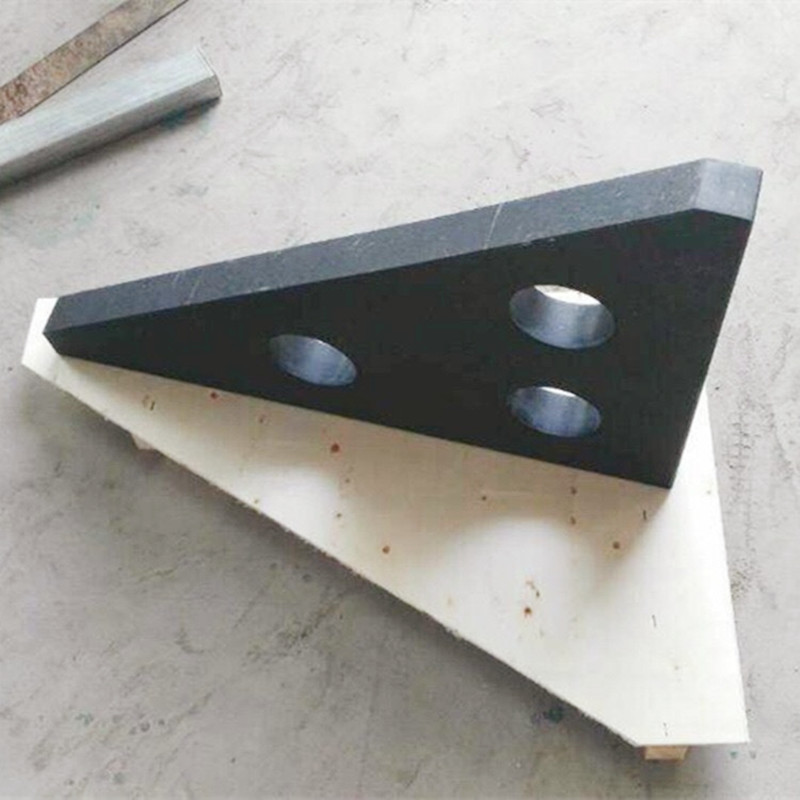
The Versatility and Utility of Small Granite Surface Plates Granite surface plates are renowned for their precision and durability, making them essential in various industries, including manufacturing, engineering, and quality control. Among these, small granite surface plates serve a unique and fundamental purpose. Their compact size brings exceptional versatility, allowing for a wide range of applications. Understanding Granite Surface Plates A granite surface plate is a flat plate made from natural granite stone, often used as a reference plane for precision measurements and calibrations. The surface of a granite plate is finely crafted to achieve a high level of flatness, which is critical for providing accurate measurement results. The high density and hardness of granite make these plates resistant to wear and deformation, ensuring longevity and stability even in high-usage environments. Importance of Small Granite Surface Plates Small granite surface plates offer several advantages over larger counterparts. They are easier to handle and portable, making them an excellent choice for smaller workshops or mobile applications. Their compact nature does not compromise their durability; they still offer the same level of precision and stability as larger plates. The primary purpose of a small granite surface plate is to serve as a flat reference for measuring the characteristics of workpieces. In quality control processes, they are utilized to check the flatness, straightness, and other geometrical properties of parts. This is crucial in performance-critical applications, where even minor discrepancies can lead to significant failures. Applications in Various Industries 1. Manufacturing and Machining In the manufacturing sector, small granite surface plates are essential for setting up and aligning machinery . They help machinists to ensure that tools and equipment are properly calibrated, facilitating accurate machining processes. small granite surface plate 2. Metrology Within metrology labs, small granite plates are used for precision measurements. They act as a stable platform for gauge blocks, indicators, and other measuring devices, ensuring that measurements are taken accurately and efficiently. 3. Assembly and Inspection Small granite surface plates play a crucial role in the assembly and inspection of parts. Engineers and quality assurance personnel use these plates to visually inspect components, ensuring they meet the required specifications before advancing to the next stage of production. 4. Education and Training In educational settings, small granite surface plates serve as practical tools for teaching students about precision measurement and inspection techniques. They provide a hands-on experience in understanding the role of precision tools in engineering practices. Care and Maintenance To maximize the utility of small granite surface plates, proper care and maintenance are essential. Even though granite is known for its durability, ensuring the surface remains free of scratches and damage is critical for maintaining accuracy. Regular cleaning using non-abrasive cloths and mild detergents helps remove dirt and contaminants. Additionally, ensuring that the plate is stored in a clean, dry environment prevents moisture buildup, which can lead to corrosion or damage to components placed on the surface. It is also advisable to periodically check the flatness of the plate, as prolonged use can lead to wear that may affect its performance. Conclusion Small granite surface plates are valuable tools across numerous industries, providing the precision and reliability needed in high-quality measurements and inspections. Their versatility allows them to be utilized in various applications, from manufacturing and metrology to educational settings. With proper care and maintenance, these plates can serve as indispensable assets, contributing to enhanced productivity and quality control. Ultimately, whether you are a seasoned professional or a newcomer to the field, investing in a small granite surface plate can be a game-changer in achieving the desired accuracy and efficiency in work processes.
-

High quality industrial productsagement

High quality industrial products
View Details -

Meet the diverse needs of customers

Meet the diverse needs of customers
View Details -

Strict quality control

Strict quality control
View Details -

Top raw materials

Top raw materials
View Details -

Trusted supplier

Trusted supplier
View Details
Our application

news and information
Wholesale Supply Solutions for Valves and Related Components
Understanding the Valve Wholesale Industry Trends and Insights In the dynamic landscape of industria
Válvula de puerta de 50 mm
Válvula de compuerta de 50 mm una solución eficaz para el control de fluidos La válvula de compuerta
Y-Type Strainer Featuring a Convenient Drain Valve for Efficient Filtration Solutions
Understanding the Y-Type Strainer with Drain Valve Essential for Efficient Fluid Management In vario
 English